Artzenal digitises the physical world for movies, games, NFT and tourism; it’s now looking for support to grow globally
Start-upCB Investment Management
12/08/2021

12/08/2021
Slovakia’s Artzenal is recording reality with absolute precision and taking it into the digital world. It is making otherwise inaccessible experiences available to everyone, such as looking inside a locomotive, sitting in a racing car or seeing cultural monuments down to the finest detail. But this digitisation of physical objects is also increasingly being used in marketing, tourism and the entertainment industry. After a successful first year of operations and annual turnover of more than €170,000, the Artzenal team is now looking to raise finance on Crowdberry to complete its pilot projects and to kick-start its global growth.
Artzenal was founded in 2019 by 2D and 3D graphic specialists Milan Kováč, Marcel Petráš and Slavomír Hazucha, and in 2020 the team continued to grow. The founders and the rest of the team have multiple years of experience creating content for leading gaming studios such as Warhorse Studios, Foundry 42, Creative Assembly and Games Distributors. And Artzenal is continuing to create for the gaming industry – there is no reason for a character in a game to run around an imaginary landscape when they can wander through digital representations of real castles and ruins.
One of the areas where Artzenal sees a lot of potential is e-tourism, especially given the entire industry still faces so many restrictions due to the ongoing pandemic. The numbers also support the wider digitising of monuments – according to the European Commission, only 10% of Europe’s rich cultural heritage has so far been digitised, just a third of which is available online and often then in low quality.
Artzenal employs a combination of two technologies: laser and photographic scanning (photogrammetry). While the laser is responsible for recording the texture and shape of the items, photogrammetry records the colours. This brings absolutely precision – a minutely detailed and realistic image of the object, whether it is a Formula One racing car or an historic building.
After obtaining scans and photographs of the object, the Artzenal team creates an optimised 3D model with photo-realistic surfaces modified in a format that can be used in standard 3D software (Unity, Unreal Engine), where the 3D model is then supplemented by interactive elements. Artzenal’s resulting product is a realistic, experiential 3D object located in virtual reality, compatible with a wide range of media, such as mobile devices, desktops and VR consoles.
The Artzenal team is currently looking for investment to complete its pilot projects. Jakub Bachratý, a Crowdberry investment manager, describes why this start-up is so interesting:
Be part of the birth of a new leader in the world of virtual reality and help it succeed. Details of Artzenal investment opportunity.
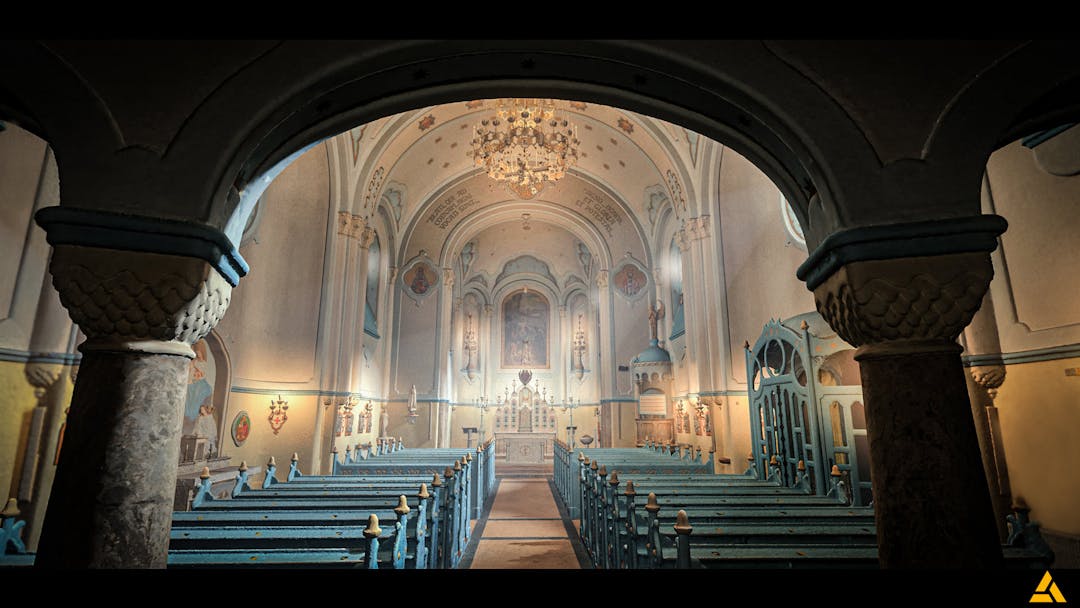
Thanks to the precise recording of reality, Artzenal can bring a realistic experience into virtual reality and bring these monuments to the masses. It can also literally go beneath the surface: for technical objects like a locomotive or car, it can reveal the construction, engine and other details that you wouldn’t be able to see in a museum. Thanks to interactive elements, it is even possible to experience those objects – for example, taking a ride on the locomotive or starting the racing car’s engine.
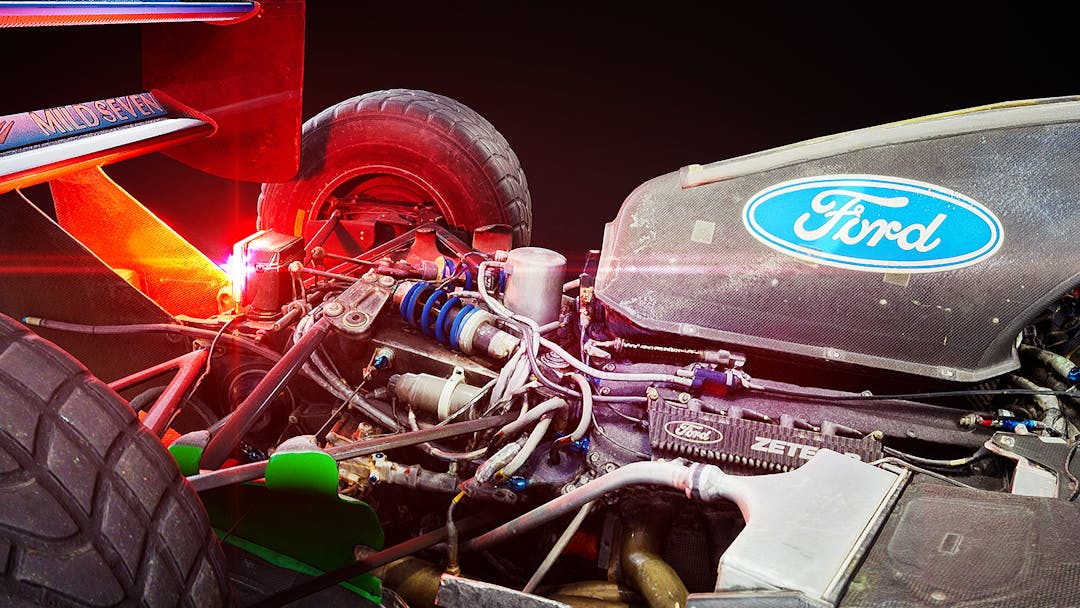
Artzenal is also looking at other areas, such as marketing and the entertainment industry. Who knows, maybe in a few years we will be able to buy a car after first getting behind the wheel in virtual reality... The NFT market also represents a new direction for digitisation. Artzenal already has its first pilot project in this area with the digitisation of the Porsche 911 of the Manthey Racing team, winner of the last Nürburgring 24 Hours, right after its victory when the vehicle was washed, re-stickered and prepared for further races. The car in that wonderful moment lives on thanks to Artzenal’s precise work – with new battle scars, legendary driver signatures and droplets of champagne still dripping down its hood. In the real world it’s already a moment of the past; in the virtual world, it lives on as an exclusive collectible object.